

How Childhood Experiences Shape Adult Relationships
/Most people don't enter adulthood thinking, "My childhood is affecting my relationship." Yet many of the habits, expectations, and emotional responses we bring into our romantic relationships were shaped long before we started dating.
The way we communicate, handle conflict, express affection, build trust, and respond to emotional stress often has roots in our earliest experiences with parents, caregivers, and family members.
This doesn't mean that childhood determines the future or that our parents are solely responsible for our relationship challenges. Instead, it means that our earliest relationships can teach us powerful lessons about connection—some helpful and some less so.
Understanding these influences can provide valuable insight into why certain relationship patterns keep showing up and, more importantly, how they can change.
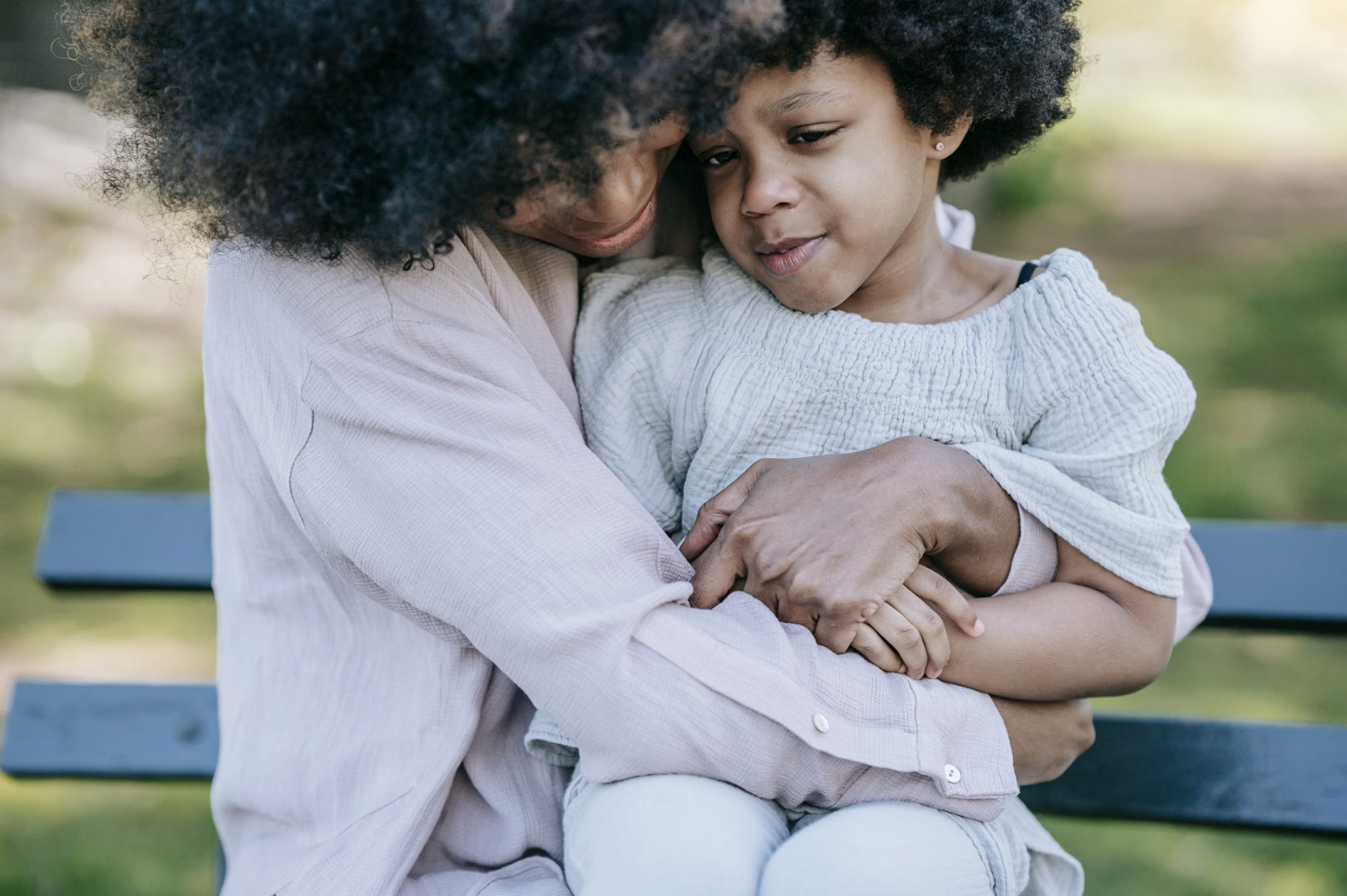
Our First Relationships Become Our First Teachers
As children, we learn about relationships by watching and interacting with the people around us.
Long before we understand concepts like communication, trust, or emotional intimacy, we're observing how relationships work. We notice how family members express affection, handle disagreements, respond to emotions, and support one another during difficult times.
These early experiences often create an internal blueprint for what relationships are supposed to look and feel like.
For example, a child who grows up in a home where disagreements are handled respectfully may learn that conflict is a normal part of relationships and can be worked through constructively. On the other hand, a child who witnesses constant criticism, avoidance, or explosive arguments may develop very different expectations about what happens when people disagree.
These lessons are rarely conscious. Most people simply assume that the relationship patterns they learned growing up are "normal" until they encounter different ways of relating.
Attachment Styles Begin in Childhood
One of the most researched ways childhood experiences influence adult relationships is through attachment.
Attachment refers to the emotional bond children develop with their caregivers and the expectations they form about whether others will be available, supportive, and trustworthy.
When caregivers are generally responsive and emotionally available, children often develop a secure sense of connection. They learn that relationships can be safe and dependable.
When caregiving is inconsistent, unpredictable, or emotionally distant, children may develop different ways of protecting themselves.
As adults, these patterns can show up in various ways:
Feeling comfortable with closeness and connection
Worrying about rejection or abandonment
Pulling away when relationships become emotionally intense
Struggling to trust others
Seeking constant reassurance from a partner
It's important to remember that attachment styles are not permanent labels. People can develop healthier and more secure ways of relating throughout their lives, especially through positive relationships and personal growth.
Childhood Experiences Influence How We Communicate
Communication is one of the most common issues couples bring to therapy, and childhood often plays a larger role than people realize.
Every family has its own unwritten rules about communication.
Some families encourage open discussions about feelings and concerns. Others avoid difficult conversations altogether. In some households, expressing emotions is welcomed. In others, emotions may be criticized, dismissed, or ignored.
As adults, these early experiences can shape how comfortable we feel expressing our needs, setting boundaries, and discussing problems.
For example:
Someone who grew up in a family that avoided conflict may struggle to bring up concerns with a partner.
Someone raised in a highly critical environment may become defensive during disagreements.
Someone who learned that emotions were unwelcome may find vulnerability uncomfortable.
Often, relationship conflict isn't just about the issue being discussed. It's also about the communication habits each partner learned growing up.
Early Experiences Can Affect Trust
Trust is a cornerstone of healthy relationships, but our ability to trust others often begins developing long before adulthood.
Children who experience consistency, emotional safety, and reliability often learn that other people can be counted on. When caregivers follow through on promises and respond predictably, children develop confidence in their relationships.
When childhood experiences involve instability, broken trust, emotional neglect, or unpredictability, trusting others can become more complicated.
In adult relationships, this may look like:
Fear of abandonment
Difficulty relying on others
Constantly expecting disappointment
Needing frequent reassurance
Becoming highly sensitive to perceived rejection
These reactions are often protective strategies that developed earlier in life. Understanding where they come from can help individuals and couples approach them with greater compassion rather than frustration.
Learning How to Handle Emotions
Children aren't born knowing how to regulate emotions. They learn these skills through interactions with caregivers.
When adults help children understand and manage feelings, children gradually develop the ability to calm themselves, cope with stress, and navigate difficult emotions.
When emotional support is limited or inconsistent, children may develop different coping strategies.
As adults, this can influence how we respond during relationship challenges.
Some people become overwhelmed by strong emotions and struggle to stay engaged during conflict. Others shut down, withdraw, or avoid difficult conversations altogether.
Sometimes a disagreement about dishes, finances, or schedules isn't really about the surface issue. It may be activating emotional responses that were shaped years earlier.
Recognizing this can help couples move beyond blame and begin addressing the deeper patterns underneath recurring conflicts.
Family Roles Often Follow Us Into Adult Relationships
Many people unknowingly carry the roles they adopted in childhood into their adult relationships.
In families, children often develop roles that help them navigate their environment. They may become:
The caretaker
The peacemaker
The responsible one
The achiever
The rebel
The helper
While these roles may have served a purpose growing up, they can sometimes create challenges in adult relationships.
For example, someone who learned to take care of everyone else's needs may struggle to ask for support. A lifelong peacemaker may avoid necessary conflict. A highly responsible child may have difficulty delegating or sharing responsibilities with a partner.
These patterns often develop for understandable reasons, but they can create imbalance when carried into adult relationships without awareness.
The Impact of Childhood Trauma and Adverse Experiences
Not everyone experiences trauma in childhood, but for those who do, its effects can extend into adulthood and relationships.
Trauma can take many forms, including:
Emotional abuse
Physical abuse
Emotional neglect
Chronic instability
Exposure to addiction or mental illness in the home
Loss or abandonment
People who experienced difficult childhood environments may find it harder to feel emotionally safe in relationships. They may struggle with vulnerability, experience heightened sensitivity to conflict, or find themselves expecting danger even when they are with a loving partner.
It's important to understand that these reactions are not character flaws. They are often adaptations developed to survive challenging circumstances.
With support, healing is possible, and many people are able to build healthy, secure relationships despite painful early experiences.
Recognizing Your Own Relationship Patterns
One of the most valuable things people can do is become curious about the relationship lessons they learned growing up.
Consider asking yourself:
How was conflict handled in my family?
What messages did I receive about love and relationships?
Was it safe to express emotions?
How did the adults in my life communicate with one another?
What relationship patterns seem to repeat in my life?
The goal isn't to blame parents or dwell on the past. It's to better understand the experiences that shaped you and how they may still be influencing your relationships today.
Awareness often creates opportunities for change.
The Good News: Relationship Patterns Can Change
Many people worry that if their childhood shaped their relationship habits, those habits are permanent.
Fortunately, that's not true.
Human beings continue growing and learning throughout life. New experiences, healthy relationships, self-reflection, and therapy can all help people develop new ways of connecting with others.
Understanding your past isn't about assigning blame. It's about recognizing patterns so you can make intentional choices moving forward.
Healthy communication, emotional intimacy, trust, and secure connection are skills that can be learned and strengthened at any stage of life.
How Couples Therapy Can Help
Sometimes it's difficult to see our own relationship patterns clearly.
Couples therapy provides a supportive space to explore how past experiences may be influencing present-day challenges. A therapist can help partners identify recurring patterns, understand emotional triggers, improve communication, and build healthier ways of relating to one another.
Rather than focusing on blame, effective couples therapy helps people understand themselves and their partners with greater compassion and clarity.
For many couples, this deeper understanding becomes the foundation for lasting change.
How The Relationship Center of Colorado Can Help
At The Relationship Center of Colorado, we help individuals and couples better understand the patterns that shape their relationships. Whether you're struggling with communication, trust, emotional connection, or recurring conflict, our therapists work collaboratively with clients to identify underlying dynamics and develop healthier ways of relating.
We believe that understanding where relationship patterns come from is an important step toward creating meaningful change. Our goal is to provide a supportive environment where individuals and couples can gain insight, strengthen connection, and build more fulfilling relationships.
Conveniently located in Lakewood, Colorado, The Relationship Center of Colorado serves clients throughout Lakewood and Denver, Colorado.
Moving Forward
Childhood experiences shape adult relationships in countless ways, often influencing how we communicate, trust, connect, and respond to challenges. While we can't change the past, we can better understand how it affects us today.
With awareness, support, and a willingness to grow, it is possible to break old patterns, strengthen relationships, and create healthier ways of connecting with the people who matter most.