

Our Relationship Advice & Couples Therapy Blogs

How Childhood Experiences Shape Adult Relationships

Most people don't enter adulthood thinking, "My childhood is affecting my relationship." Yet many of the habits, expectations, and emotional responses we bring into our romantic relationships were shaped long before we started dating.

The way we communicate, handle conflict, express affection, build trust, and respond to emotional stress often has roots in our earliest experiences with parents, caregivers, and family members.

This doesn't mean that childhood determines the future or that our parents are solely responsible for our relationship challenges. Instead, it means that our earliest relationships can teach us powerful lessons about connection—some helpful and some less so.

Understanding these influences can provide valuable insight into why certain relationship patterns keep showing up and, more importantly, how they can change.
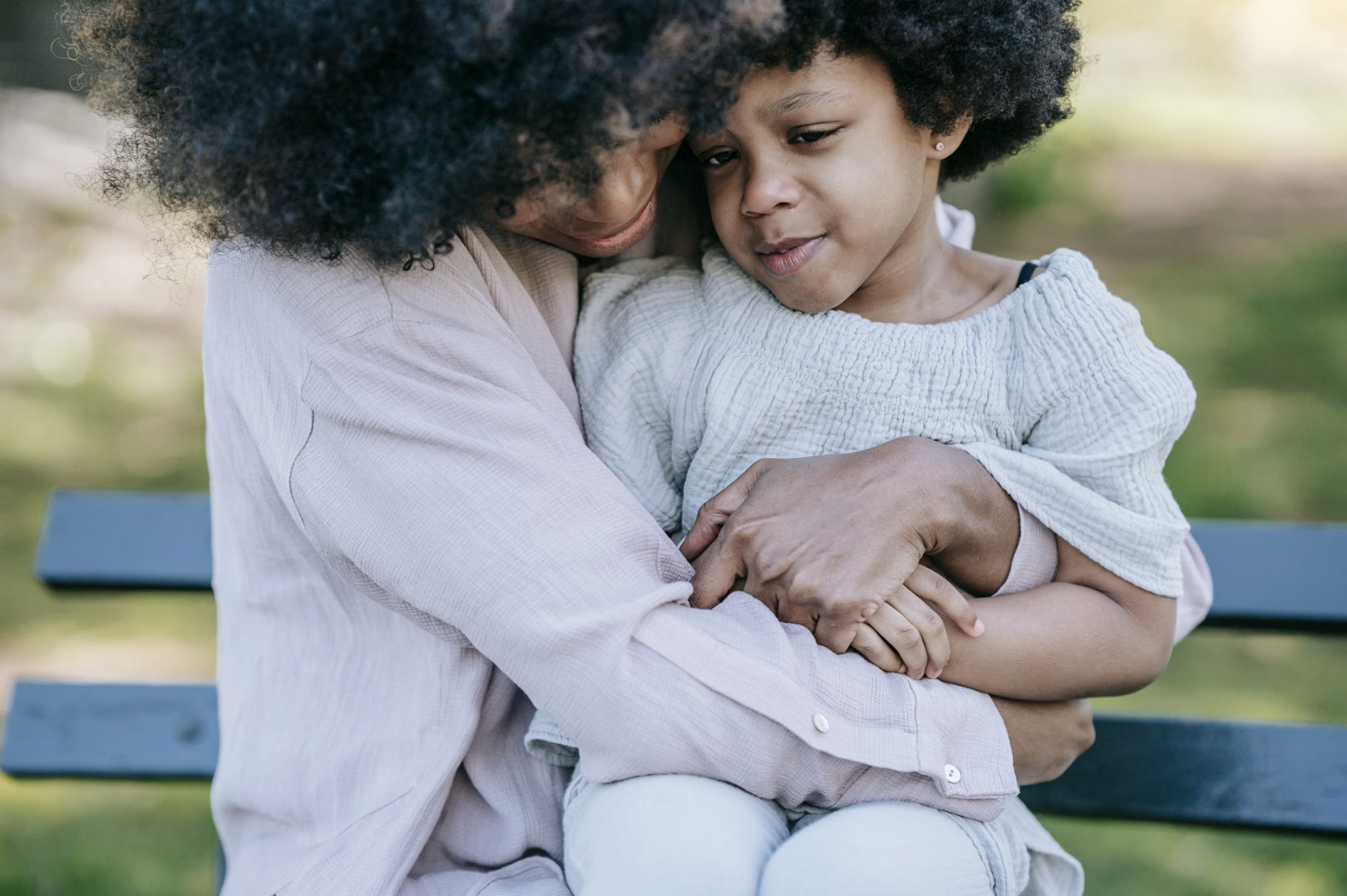
Mother and child

Our First Relationships Become Our First Teachers

As children, we learn about relationships by watching and interacting with the people around us.

Long before we understand concepts like communication, trust, or emotional intimacy, we're observing how relationships work. We notice how family members express affection, handle disagreements, respond to emotions, and support one another during difficult times.

These early experiences often create an internal blueprint for what relationships are supposed to look and feel like.

For example, a child who grows up in a home where disagreements are handled respectfully may learn that conflict is a normal part of relationships and can be worked through constructively. On the other hand, a child who witnesses constant criticism, avoidance, or explosive arguments may develop very different expectations about what happens when people disagree.

These lessons are rarely conscious. Most people simply assume that the relationship patterns they learned growing up are "normal" until they encounter different ways of relating.

Attachment Styles Begin in Childhood

One of the most researched ways childhood experiences influence adult relationships is through attachment.

Attachment refers to the emotional bond children develop with their caregivers and the expectations they form about whether others will be available, supportive, and trustworthy.

When caregivers are generally responsive and emotionally available, children often develop a secure sense of connection. They learn that relationships can be safe and dependable.

When caregiving is inconsistent, unpredictable, or emotionally distant, children may develop different ways of protecting themselves.

As adults, these patterns can show up in various ways:

  • Feeling comfortable with closeness and connection

  • Worrying about rejection or abandonment

  • Pulling away when relationships become emotionally intense

  • Struggling to trust others

  • Seeking constant reassurance from a partner

It's important to remember that attachment styles are not permanent labels. People can develop healthier and more secure ways of relating throughout their lives, especially through positive relationships and personal growth.

Childhood Experiences Influence How We Communicate

Communication is one of the most common issues couples bring to therapy, and childhood often plays a larger role than people realize.

Every family has its own unwritten rules about communication.

Some families encourage open discussions about feelings and concerns. Others avoid difficult conversations altogether. In some households, expressing emotions is welcomed. In others, emotions may be criticized, dismissed, or ignored.

As adults, these early experiences can shape how comfortable we feel expressing our needs, setting boundaries, and discussing problems.

For example:

  • Someone who grew up in a family that avoided conflict may struggle to bring up concerns with a partner.

  • Someone raised in a highly critical environment may become defensive during disagreements.

  • Someone who learned that emotions were unwelcome may find vulnerability uncomfortable.

Often, relationship conflict isn't just about the issue being discussed. It's also about the communication habits each partner learned growing up.

Early Experiences Can Affect Trust

Trust is a cornerstone of healthy relationships, but our ability to trust others often begins developing long before adulthood.

Children who experience consistency, emotional safety, and reliability often learn that other people can be counted on. When caregivers follow through on promises and respond predictably, children develop confidence in their relationships.

When childhood experiences involve instability, broken trust, emotional neglect, or unpredictability, trusting others can become more complicated.

In adult relationships, this may look like:

  • Fear of abandonment

  • Difficulty relying on others

  • Constantly expecting disappointment

  • Needing frequent reassurance

  • Becoming highly sensitive to perceived rejection

These reactions are often protective strategies that developed earlier in life. Understanding where they come from can help individuals and couples approach them with greater compassion rather than frustration.

Learning How to Handle Emotions

Children aren't born knowing how to regulate emotions. They learn these skills through interactions with caregivers.

When adults help children understand and manage feelings, children gradually develop the ability to calm themselves, cope with stress, and navigate difficult emotions.

When emotional support is limited or inconsistent, children may develop different coping strategies.

As adults, this can influence how we respond during relationship challenges.

Some people become overwhelmed by strong emotions and struggle to stay engaged during conflict. Others shut down, withdraw, or avoid difficult conversations altogether.

Sometimes a disagreement about dishes, finances, or schedules isn't really about the surface issue. It may be activating emotional responses that were shaped years earlier.

Recognizing this can help couples move beyond blame and begin addressing the deeper patterns underneath recurring conflicts.

Family Roles Often Follow Us Into Adult Relationships

Many people unknowingly carry the roles they adopted in childhood into their adult relationships.

In families, children often develop roles that help them navigate their environment. They may become:

  • The caretaker

  • The peacemaker

  • The responsible one

  • The achiever

  • The rebel

  • The helper

While these roles may have served a purpose growing up, they can sometimes create challenges in adult relationships.

For example, someone who learned to take care of everyone else's needs may struggle to ask for support. A lifelong peacemaker may avoid necessary conflict. A highly responsible child may have difficulty delegating or sharing responsibilities with a partner.

These patterns often develop for understandable reasons, but they can create imbalance when carried into adult relationships without awareness.

The Impact of Childhood Trauma and Adverse Experiences

Not everyone experiences trauma in childhood, but for those who do, its effects can extend into adulthood and relationships.

Trauma can take many forms, including:

  • Emotional abuse

  • Physical abuse

  • Emotional neglect

  • Chronic instability

  • Exposure to addiction or mental illness in the home

  • Loss or abandonment

People who experienced difficult childhood environments may find it harder to feel emotionally safe in relationships. They may struggle with vulnerability, experience heightened sensitivity to conflict, or find themselves expecting danger even when they are with a loving partner.

It's important to understand that these reactions are not character flaws. They are often adaptations developed to survive challenging circumstances.

With support, healing is possible, and many people are able to build healthy, secure relationships despite painful early experiences.

Recognizing Your Own Relationship Patterns

One of the most valuable things people can do is become curious about the relationship lessons they learned growing up.

Consider asking yourself:

  • How was conflict handled in my family?

  • What messages did I receive about love and relationships?

  • Was it safe to express emotions?

  • How did the adults in my life communicate with one another?

  • What relationship patterns seem to repeat in my life?

The goal isn't to blame parents or dwell on the past. It's to better understand the experiences that shaped you and how they may still be influencing your relationships today.

Awareness often creates opportunities for change.

The Good News: Relationship Patterns Can Change

Many people worry that if their childhood shaped their relationship habits, those habits are permanent.

Fortunately, that's not true.

Human beings continue growing and learning throughout life. New experiences, healthy relationships, self-reflection, and therapy can all help people develop new ways of connecting with others.

Understanding your past isn't about assigning blame. It's about recognizing patterns so you can make intentional choices moving forward.

Healthy communication, emotional intimacy, trust, and secure connection are skills that can be learned and strengthened at any stage of life.

How Couples Therapy Can Help

Sometimes it's difficult to see our own relationship patterns clearly.

Couples therapy provides a supportive space to explore how past experiences may be influencing present-day challenges. A therapist can help partners identify recurring patterns, understand emotional triggers, improve communication, and build healthier ways of relating to one another.

Rather than focusing on blame, effective couples therapy helps people understand themselves and their partners with greater compassion and clarity.

For many couples, this deeper understanding becomes the foundation for lasting change.

How The Relationship Center of Colorado Can Help

At The Relationship Center of Colorado, we help individuals and couples better understand the patterns that shape their relationships. Whether you're struggling with communication, trust, emotional connection, or recurring conflict, our therapists work collaboratively with clients to identify underlying dynamics and develop healthier ways of relating.

We believe that understanding where relationship patterns come from is an important step toward creating meaningful change. Our goal is to provide a supportive environment where individuals and couples can gain insight, strengthen connection, and build more fulfilling relationships.

Conveniently located in Lakewood, Colorado, The Relationship Center of Colorado serves clients throughout Lakewood and Denver, Colorado. 

Moving Forward

Childhood experiences shape adult relationships in countless ways, often influencing how we communicate, trust, connect, and respond to challenges. While we can't change the past, we can better understand how it affects us today.

With awareness, support, and a willingness to grow, it is possible to break old patterns, strengthen relationships, and create healthier ways of connecting with the people who matter most.





How to Find the Right Couples Therapist in Lakewood, Colorado

When your relationship is hurting, finding a couples therapist can feel like one more overwhelming task on an already full plate. You may have spent weeks—or even months—going in circles around the same arguments, feeling disconnected from one another, or wondering whether things can really improve.

The good news is that many couples experience meaningful change with the right support. The challenge is knowing how to choose a therapist who is a good fit for your relationship.

If you're looking for couples therapy in Lakewood, Colorado, here's what to consider before scheduling your first appointment.

Start by Identifying What You Want Help With

Not all couples seek therapy for the same reasons. Some couples come to counseling because they're arguing constantly. Others feel more like roommates than romantic partners. Some are working through a specific crisis, while others simply want to strengthen an already healthy relationship.

Common reasons couples seek therapy include:

  • Communication difficulties

  • Frequent conflict or recurring arguments

  • Emotional disconnection

  • Rebuilding trust after infidelity

  • Intimacy and sex-related concerns

  • Parenting disagreements

  • Life transitions and major stressors

  • Premarital counseling

  • Navigating differences in values or expectations

Having a general sense of your goals can help you find a therapist with experience in the areas that matter most to you.

You don't need to have everything figured out before reaching out. Many couples know something feels off but struggle to put it into words. A skilled therapist can help you identify underlying patterns and clarify what needs attention.

Look for a Therapist Who Specializes in Couples Work

One of the biggest misconceptions people have is that any therapist automatically specializes in couples counseling.

While many therapists are trained to work with individuals, couples therapy requires a unique set of skills. Working with two people in the room is fundamentally different from working with one. The therapist must be able to understand relationship dynamics, manage conflict effectively, and help both partners feel heard and understood.

When researching therapists, look for someone who specifically advertises couples counseling as a primary area of focus rather than an occasional service.

It's also worth exploring what therapeutic approaches they use. Evidence-based methods such as the Gottman Method have been extensively studied and provide practical tools for improving communication, rebuilding trust, and strengthening emotional connection.

A therapist who regularly works with couples is often better equipped to recognize patterns that keep partners stuck and provide strategies that create lasting change.

Pay Attention to Experience

Experience isn't everything, but it does matter.

A therapist who has worked with hundreds of couples has likely encountered many of the challenges you're facing. They've seen common relationship patterns, helped partners navigate difficult conversations, and supported couples through significant life transitions.

As you explore your options, consider asking questions such as:

  • How long have you been working with couples?

  • What relationship concerns do you most commonly help clients address?

  • Have you worked with couples facing challenges similar to ours?

  • What does the therapy process typically look like?

These questions can help you determine whether a therapist's expertise aligns with your needs.

Consider Their Approach to Therapy

Every therapist has a different style.

Some take a highly structured approach, teaching communication tools and assigning exercises between sessions. Others focus more on helping couples understand the deeper patterns driving their interactions.

Neither approach is inherently better. What matters is finding a therapist whose style feels helpful and comfortable for both partners.

During an initial consultation, you might ask:

  • How do you help couples improve communication?

  • What happens during a typical session?

  • Do you provide tools or exercises between appointments?

  • How do you approach conflict in the therapy room?

A good therapist should be able to explain their approach in clear, understandable language without relying heavily on clinical jargon.

Make Sure Both Partners Feel Comfortable

Research consistently shows that the quality of the therapeutic relationship is one of the strongest predictors of successful outcomes.

In simple terms, therapy works best when clients trust their therapist.

For couples, this means both partners should feel respected, understood, and emotionally safe during sessions. A therapist should be able to connect with each person without appearing to take sides.

This doesn't mean you'll always hear what you want to hear. Effective therapists challenge unhealthy patterns and encourage accountability. However, those conversations should happen within a supportive and balanced environment.

After an initial consultation, ask yourselves:

  • Did we both feel heard?

  • Did the therapist understand our concerns?

  • Did the therapist remain neutral and fair?

  • Did we leave feeling hopeful?

Your answers can tell you a lot about whether the fit feels right.

Look for Someone Who Understands Your Unique Relationship

Every relationship exists within a larger context of culture, identity, family experiences, and personal values.

Finding a therapist who understands and respects those factors can make a significant difference in your experience.

You may want to consider whether a therapist has experience working with:

  • LGBTQ+ couples

  • Intercultural relationships

  • Blended families

  • Military families

  • Faith-based concerns

  • Couples navigating major life transitions

The goal isn't necessarily to find someone who shares your exact background. It's to find someone who approaches your experiences with curiosity, competence, and respect.

Don't Overlook Practical Considerations

Even the most talented therapist won't be helpful if attending sessions becomes difficult or unsustainable.

As you evaluate your options, consider practical factors such as:

Location

If you're seeking in-person therapy, choosing a therapist conveniently located in or near Lakewood can make it easier to attend consistently.

Scheduling

Look for appointment times that fit realistically into your routine. Evening or virtual appointments may be especially helpful for busy professionals or parents.

Cost

Understanding fees, insurance options, and payment policies upfront can help prevent surprises later.

Online Therapy Availability

Many couples appreciate the flexibility of virtual counseling, particularly when balancing work schedules, childcare responsibilities, or commuting challenges.

The easier it is to consistently attend therapy, the more likely you are to benefit from the process.

Remember That Therapy Is an Investment in Your Relationship

Many couples wait until problems have become severe before seeking support.

Unfortunately, relationship issues rarely improve simply because they are ignored. More often, resentment builds, communication deteriorates, and emotional distance increases over time.

Seeking therapy doesn't mean your relationship is failing. In many cases, it reflects a commitment to improving the relationship and learning healthier ways to connect.

Just as people hire coaches to improve their physical health or career performance, couples can benefit from professional guidance when they want to strengthen one of the most important relationships in their lives.

Signs You've Found the Right Couples Therapist

While no therapist is perfect, there are some common indicators that you've found a good fit.

The right couples therapist will typically:

  • Help both partners feel heard and respected

  • Create a safe space for difficult conversations

  • Offer practical guidance rather than simply observing

  • Understand relationship dynamics and patterns

  • Encourage accountability from both partners

  • Focus on solutions while exploring underlying issues

  • Help you feel hopeful about the future of your relationship

Most importantly, you should leave sessions feeling like you're making progress—even when the work is challenging.

Finding Couples Therapy in Lakewood, Colorado

Lakewood offers a variety of counseling options, which is good news for couples looking for support. Taking time to research therapists, ask questions, and schedule consultations can help you find someone who feels like the right fit.

The relationship between you and your therapist matters. Their experience matters. Their approach matters. But ultimately, the best couples therapist for you is someone who can help both partners feel understood while providing the tools and guidance needed to create meaningful change.

If you're considering couples therapy, don't be afraid to reach out and ask questions before scheduling. A brief conversation can often tell you whether a therapist feels like someone you can trust with your relationship's next chapter.

Ready to Take the Next Step?

At The Relationship Center of Colorado, we help couples strengthen communication, rebuild trust, deepen emotional connection, and navigate life's challenges together. Our therapists specialize in relationship-focused counseling and provide a supportive, practical approach designed to help couples create lasting change.

If you're looking for couples therapy in Lakewood, Colorado, we're here to help.

Anxiety Is Affecting Your Relationship — And Here’s How

Anxiety doesn’t just affect the person experiencing it — it can impact the entire relationship. It can influence communication, emotional connection, trust, intimacy, and even the way couples handle everyday stress. Sometimes anxiety shows up loudly through conflict and reassurance-seeking, and other times it appears more quietly through emotional withdrawal or overthinking.

If anxiety has been affecting your relationship, you are not alone. Many couples struggle with patterns created by stress, fear, and emotional overwhelm. The good news is that anxiety does not mean your relationship is broken. With awareness, support, and healthy communication, couples can learn how to navigate anxiety together and strengthen their connection in the process.

Person experiencing anxiety

What Anxiety Can Look Like in Relationships

Constant Reassurance Seeking

One common way anxiety shows up in relationships is through reassurance seeking. A partner may frequently ask questions like:

  • “Are we okay?”

  • “Do you still love me?”

  • “Are you upset with me?”

These questions often come from fear rather than insecurity about the relationship itself. Anxiety can create a heightened fear of abandonment, rejection, or conflict. While reassurance may help temporarily, repeated reassurance-seeking can sometimes create tension or emotional exhaustion for both partners over time.

Overthinking and Misinterpreting

Anxiety can also cause people to overanalyze interactions and assume the worst. A short text message, change in tone, or delayed response may suddenly feel loaded with meaning.

Someone experiencing anxiety may:

  • Read too deeply into conversations

  • Assume their partner is upset

  • Expect rejection or criticism

  • Replay conflicts repeatedly in their mind

This can create misunderstandings and emotional distance, even when both partners deeply care about each other.

Emotional Withdrawal

Not everyone responds to anxiety by seeking closeness. Some people cope by shutting down emotionally or pulling away. Anxiety can lead to avoidance, irritability, numbness, or isolation.

To the other partner, this withdrawal may feel confusing or painful. They may wonder:

  • “Did I do something wrong?”

  • “Why are they pulling away from me?”

  • “Do they still care?”

In reality, the withdrawing partner may simply feel overwhelmed and unsure how to express what they are experiencing internally.

Increased Conflict and Emotional Reactivity

Anxiety often puts the nervous system on high alert. This can make disagreements feel more intense and emotionally charged.

Small misunderstandings may escalate quickly because anxiety can heighten sensitivity to criticism, rejection, or disappointment. During conflict, partners may become defensive, reactive, or emotionally flooded, making it harder to communicate calmly and clearly.

Anxiety Around Intimacy and Connection

Anxiety can also affect emotional and physical intimacy. Chronic stress and worry may make it difficult to relax, feel present, or emotionally connect with a partner.

Some people experience:

  • Fear of vulnerability

  • Difficulty trusting

  • Performance anxiety

  • Reduced sexual desire

  • Emotional disconnection

Over time, this can create feelings of loneliness within the relationship if the underlying anxiety is not addressed.

How Anxiety Affects Both Partners

When anxiety enters a relationship, both partners are often impacted in different ways.

The person experiencing anxiety may feel exhausted, overwhelmed, ashamed, or misunderstood. They may deeply want connection while simultaneously fearing conflict, rejection, or abandonment.

Meanwhile, the supporting partner may begin to feel emotionally drained, helpless, or frustrated. They may feel pressure to constantly reassure, fix problems, or avoid saying the wrong thing. Over time, both people can become stuck in unhealthy emotional patterns without realizing it.

It’s important to remember that anxiety is not a character flaw or a sign of weakness. It is a human experience that deserves compassion, understanding, and support.

Signs Anxiety May Be Affecting Your Relationship

Sometimes couples do not immediately recognize that anxiety is influencing their relationship dynamics. Some common signs include:

  • Frequent repetitive arguments

  • Difficulty feeling emotionally safe

  • Fear of abandonment or rejection

  • Trouble trusting your partner’s intentions

  • Feeling emotionally exhausted after conversations

  • Increased dependency or emotional distancing

  • Physical symptoms during conflict, such as racing heart, panic, or tension

  • Loss of intimacy or emotional connection

Recognizing these patterns is often the first step toward healing.

How to Support Each Other Through Anxiety

Practice Open, Non-Defensive Communication

Healthy communication is one of the most important tools for managing anxiety within a relationship. Instead of reacting defensively, couples can practice curiosity and compassion.

Phrases like:

  • “Help me understand what you’re feeling.”

  • “What do you need from me right now?”

  • “I want us to work through this together.”

can help create emotional safety and connection.

Learn to Pause Before Reacting

Anxiety can make people react quickly in moments of stress. Taking a pause before responding during conflict can help prevent escalation.

Grounding exercises, deep breathing, taking short breaks, or simply slowing down the conversation can help both partners regulate emotionally before continuing difficult discussions.

Stop Viewing Anxiety as “The Problem Person”

One of the healthiest shifts couples can make is moving away from blame. Instead of viewing one partner as “the problem,” it can help to view anxiety as something the relationship is navigating together.

This creates a stronger sense of teamwork, understanding, and emotional support.

Create Emotional Safety

Consistency, honesty, empathy, and validation all help reduce anxiety within relationships. Emotional safety is built slowly over time through trust and reliability.

When people feel emotionally safe, they are often better able to communicate openly and respond calmly during stressful moments.

Set Healthy Boundaries

Supporting a partner through anxiety does not mean ignoring your own needs. Healthy relationships require care and balance for both people.

Boundaries can help prevent resentment and emotional burnout while still allowing room for compassion and support.

When Therapy Can Help

Sometimes anxiety patterns become difficult to navigate alone. Therapy can provide couples with tools to improve communication, strengthen emotional connection, and better understand each other’s experiences.

Couples therapy may help partners:

  • Break unhealthy communication patterns

  • Improve emotional regulation

  • Rebuild intimacy and trust

  • Navigate conflict more effectively

  • Feel more connected and understood

Individual therapy can also help address anxiety, attachment wounds, trauma, self-esteem struggles, and fear-based relationship patterns that may be contributing to relationship stress.

Most importantly, couples do not have to wait until things feel “bad enough” to seek support. Therapy can be incredibly beneficial even in the early stages of disconnection or stress.

About The Relationship Center of Colorado

The Relationship Center of Colorado provides couples counseling, marriage counseling, individual therapy, intimacy therapy, and LGBTQ+ affirming counseling for individuals and couples throughout Colorado. Our therapists help clients navigate anxiety, communication challenges, emotional disconnection, conflict cycles, and relationship stress in a compassionate and supportive environment.

Our goal is to help individuals and couples build healthier relationships, improve communication, and create deeper emotional connections.


Entrepreneurial Couples: How to Stay Connected as a Couple

Building a business can be exciting, fulfilling, and deeply meaningful — but it can also place significant stress on a relationship. For entrepreneurial couples, the lines between work and personal life often become blurred. Long hours, financial pressure, unpredictable schedules, and constant mental load can make it difficult to feel emotionally connected, even when both partners deeply love and support each other.

Whether both partners are entrepreneurs or one person owns a business while the other supports the household in different ways, entrepreneurship can create unique relationship challenges that many couples are not fully prepared for.

The good news is that it is possible to build both a successful business and a healthy relationship. Staying connected often requires intentional communication, emotional awareness, and creating space for the relationship outside of work.

Entrepreneur Couple

Why Entrepreneurship Can Strain Relationships

Work Often Follows You Home

Entrepreneurs rarely “clock out.” Business stress, ideas, financial concerns, and responsibilities can easily carry into evenings, weekends, and personal time.

Over time, couples may notice:

  • conversations revolving entirely around work

  • difficulty being emotionally present

  • less quality time together

  • increased stress or irritability

  • feeling more like business partners than romantic partners

Even couples who deeply support each other can begin feeling disconnected when work consumes most of their emotional energy.

Financial Pressure Creates Stress

Entrepreneurship often comes with financial uncertainty, especially during growth seasons or difficult economic periods. Stress around income, expenses, investments, or inconsistent cash flow can create tension within a relationship.

Money stress can sometimes trigger deeper fears around:

  • security

  • stability

  • trust

  • control

  • future planning

When financial anxiety goes unspoken, resentment and emotional distance can quietly build over time.

One Partner May Feel Overlooked

In some relationships, one partner may feel like the business always comes first. The entrepreneur may unintentionally prioritize clients, deadlines, or growth goals while the relationship receives whatever time or energy is left over.

Meanwhile, the entrepreneurial partner may feel misunderstood, unsupported, or pressured to “do less” when they are trying to build something meaningful.

Without communication, both people can begin feeling alone in the relationship.

Burnout Impacts Emotional Connection

Running a business can be mentally and emotionally exhausting. When someone is constantly overwhelmed or stressed, emotional connection and intimacy often suffer.

Burnout can lead to:

  • irritability

  • emotional withdrawal

  • reduced affection

  • low energy

  • difficulty being fully present

  • less patience during conflict

Couples may still care deeply about each other but struggle to feel emotionally connected during stressful seasons.

Signs Your Relationship May Be Taking a Back Seat

Sometimes disconnection happens gradually. Some signs entrepreneurship may be affecting your relationship include:

  • Most conversations revolve around work

  • You spend little intentional quality time together

  • One or both partners feel emotionally neglected

  • Conflict increases during stressful business seasons

  • Date nights or intimacy have become rare

  • You feel more like roommates or coworkers than partners

  • Communication feels transactional rather than emotional

Recognizing these patterns early can help couples reconnect before resentment grows deeper.

How Entrepreneurial Couples Can Stay Connected

Protect Time for the Relationship

Relationships need intentional attention, especially during busy seasons. Waiting until life “slows down” often means connection continues getting postponed.

Creating protected time together may include:

  • regular date nights

  • device-free dinners

  • weekend time away from work

  • daily check-ins

  • shared hobbies or routines

Even small moments of intentional connection can make a significant difference over time.

Learn to Separate Work Conversations from Relationship Time

For entrepreneurial couples, business conversations can easily take over every interaction. While discussing work is important, couples also need space to simply be together emotionally.

It can help to create boundaries around:

  • when work conversations happen

  • how long they last

  • when business discussions are paused for personal connection

This helps preserve the relationship outside of the business itself.

Communicate Needs Clearly

Entrepreneurial stress can create assumptions and misunderstandings if couples are not openly communicating.

Instead of expecting a partner to “just know,” it helps to clearly express:

  • emotional needs

  • stress levels

  • support needs

  • boundaries

  • appreciation

Healthy communication creates more emotional safety and reduces resentment.

Prioritize Emotional Connection — Not Just Productivity

Many entrepreneurial couples become highly focused on logistics, schedules, responsibilities, and problem-solving. Over time, emotional connection can unintentionally disappear beneath constant productivity.

Healthy relationships also require:

  • affection

  • vulnerability

  • laughter

  • appreciation

  • emotional support

  • quality time

The relationship itself needs nurturing, not just management.

Support Each Other Without Losing Yourselves

Supporting a partner’s dreams is important, but healthy relationships also require balance. One person should not have to sacrifice their entire emotional wellbeing or identity for the business.

Both partners deserve space for:

  • rest

  • self-care

  • personal goals

  • emotional support

  • individual identity outside of work

Strong relationships allow room for both togetherness and individuality.

How Conflict Often Shows Up in Entrepreneurial Relationships

Entrepreneurial couples may experience recurring conflict around:

  • work-life balance

  • finances

  • emotional availability

  • division of responsibilities

  • parenting stress

  • feeling unsupported or misunderstood

  • time management

  • boundaries with work

During stressful seasons, couples may unintentionally take frustration out on each other instead of recognizing the deeper stress underneath the conflict.

Learning how to communicate stress without blame can help reduce emotional disconnection.

When Therapy Can Help

Sometimes entrepreneurial couples become so focused on surviving stress and managing responsibilities that the relationship slowly loses emotional closeness.

Couples therapy can help partners:

  • improve communication

  • navigate stress more effectively

  • rebuild emotional intimacy

  • create healthier boundaries

  • strengthen teamwork

  • reduce recurring conflict

  • reconnect emotionally outside of work

Therapy can also provide space for both partners to feel heard, supported, and understood during demanding seasons of life and business growth.

Seeking support does not mean a relationship is failing. Often, it means the couple values the relationship enough to invest in protecting it.

About The Relationship Center of Colorado

The Relationship Center of Colorado provides couples counseling, marriage counseling, individual therapy, intimacy therapy, and LGBTQ+ affirming counseling for individuals and couples throughout Colorado. Our therapists help clients navigate communication challenges, stress, emotional disconnection, recurring conflict, anxiety, intimacy struggles, and major life transitions in a compassionate and supportive environment.

Our  work focuses on helping couples strengthen connection, improve communication, and build healthier relationship patterns that support long-term emotional wellbeing.


Why Couples Keep Having the Same Fight Over and Over

If you’ve ever found yourself thinking, “Why are we having this argument again?” — you are far from alone.

Many couples feel stuck in repetitive conflict cycles where the same disagreement keeps resurfacing, even after multiple conversations and attempts to “fix” it. One fight turns into another, and eventually it can start to feel exhausting, frustrating, and emotionally draining for both partners.

The truth is, repeated arguments are incredibly common in relationships. In many cases, couples are not actually fighting about the surface issue at all. The real conflict often lives underneath the argument — in unmet emotional needs, communication patterns, stress, or feelings of disconnection.

The good news is that recurring conflict does not necessarily mean your relationship is failing. Often, it means there is a deeper issue asking to be understood.

Couple arguing

Why Couples Often Repeat the Same Arguments

The Fight Usually Isn’t About the Surface Issue

Many recurring arguments start with something small:

  • chores

  • texting back

  • money

  • intimacy

  • schedules

  • parenting responsibilities

But underneath those conversations are often much deeper emotions.

For example:

  • A fight about dishes may really be about feeling unsupported.

  • A fight about texting back may really be about wanting reassurance or connection.

  • A fight about intimacy may actually be about feeling rejected or emotionally distant.

When the deeper emotional need is not addressed, the conflict tends to repeat itself over and over again.

Couples Get Stuck in Communication Patterns

Most couples unknowingly develop predictable conflict patterns over time.

One partner may pursue the conversation while the other shuts down or withdraws. One person may criticize while the other becomes defensive. Eventually these reactions become automatic, and couples can begin having the same emotional experience during every disagreement.

Often the pattern becomes more painful than the original issue itself.

Emotional Triggers Get Activated

Conflict in relationships can sometimes activate deeper emotional wounds or fears that have nothing to do with the present moment.

A disagreement may trigger fears such as:

  • abandonment

  • rejection

  • failure

  • not feeling important

  • not feeling valued

Past experiences, childhood dynamics, attachment wounds, anxiety, or previous relationship pain can all shape how people respond during conflict.

This is why a seemingly small disagreement can suddenly feel emotionally overwhelming.

Neither Partner Feels Fully Understood

One of the biggest reasons recurring arguments continue is because both people often feel unheard.

During conflict, many couples listen to defend themselves rather than truly trying to understand each other’s emotions or perspective. Conversations quickly shift into proving a point, explaining intentions, or deciding who is “right.”

Unfortunately, when both people feel misunderstood, resolution becomes much harder to reach.

Common Relationship Fights Couples Repeat

Household Responsibilities

Many couples repeatedly argue about chores, parenting responsibilities, planning, or the mental load of running a household.

Often one partner feels overwhelmed while the other feels criticized or unappreciated.

Communication and Attention

Conflicts around communication are extremely common. One partner may feel emotionally disconnected or ignored, while the other feels pressured or overwhelmed.

Arguments about phones, texting, responsiveness, or quality time are often rooted in a deeper desire for connection.

Intimacy and Affection

Differences in emotional or physical intimacy needs can also create repetitive conflict.

One partner may feel rejected, while the other may feel pressured, disconnected, or misunderstood. Without open communication, these feelings can continue building over time.

Money and Financial Stress

Finances are another common source of recurring arguments. Different spending habits, financial priorities, or fears about stability can create tension within relationships.

Money conversations are often connected to emotional needs like security, trust, or control.

Family and Parenting Differences

Couples may also repeatedly argue about parenting styles, boundaries, or relationships with extended family members.

These conflicts can become especially emotional when personal values and expectations are involved.

Signs You’re Stuck in a Repeating Conflict Cycle

Some signs a relationship may be stuck in repetitive conflict include:

  • You can predict exactly how the argument will unfold

  • The same phrases get repeated every time

  • Arguments escalate quickly

  • One or both partners emotionally shut down

  • Conversations never feel fully resolved

  • Old issues continue resurfacing

  • You leave conversations feeling disconnected or misunderstood

Recognizing these patterns is often the first step toward changing them.

Why “Winning” the Fight Usually Doesn’t Help

Conflict Is Often About Emotional Needs

Most recurring relationship conflicts are not truly about “winning.” They are often about wanting to feel loved, valued, understood, safe, or emotionally connected.

Even if one person “wins” the argument, the deeper emotional hurt underneath the conflict often remains unresolved.

Defensiveness Creates More Distance

When conversations become focused on blame, criticism, or proving a point, emotional closeness tends to decrease.

Defensiveness often prevents couples from hearing the pain underneath each other’s words. Over time, this can create emotional distance and resentment.

How Couples Can Break the Cycle

Slow the Conversation Down

When emotions become overwhelming, productive communication becomes difficult. Taking a pause, regulating emotions, and returning to the conversation calmly can help prevent escalation.

Sometimes slowing down is far more effective than trying to force immediate resolution.

Learn the Real Emotion Beneath the Argument

Instead of focusing only on the surface issue, it can help to ask:

  • “What am I really feeling right now?”

  • “What emotional need is underneath this reaction?”

  • “What might my partner be needing right now?”

Curiosity often creates more connection than defensiveness.

Focus on Understanding Instead of Defending

Feeling understood can be incredibly healing during conflict.

Simple statements like:

  • “I can understand why that hurt you.”

  • “I see why you’re feeling overwhelmed.”

  • “That makes sense to me.”

can help lower defensiveness and create emotional safety.

Stop Viewing Each Other as the Enemy

Healthy relationships are not about one person winning and the other losing. Instead of viewing conflict as “me versus you,” couples can begin viewing it as “us versus the unhealthy pattern.”

This mindset shift often creates more teamwork and compassion.

Improve Repair After Conflict

Conflict itself is not always harmful — what matters most is how couples reconnect afterward.

Apologies, accountability, affection, reassurance, and emotional repair all help strengthen relationships after difficult conversations.

When Therapy Can Help

Sometimes couples become so stuck in repetitive conflict patterns that it feels impossible to break the cycle alone.

Couples therapy can help partners:

  • identify unhealthy communication patterns

  • improve emotional regulation

  • understand attachment dynamics

  • rebuild intimacy and trust

  • communicate more effectively

  • feel more emotionally connected

Therapy also provides a safe, supportive space where both partners can feel heard without conversations escalating into blame or defensiveness.

Most importantly, recurring conflict does not mean a relationship is doomed. Many healthy long-term couples experience conflict — the goal is not to eliminate disagreements entirely, but to learn how to navigate them in healthier and more connected ways.

About The Relationship Center of Colorado

The Relationship Center of Colorado provides couples counseling, marriage counseling, individual therapy, intimacy therapy, and LGBTQ+ affirming counseling for individuals and couples throughout Colorado. Our  therapists help clients navigate recurring conflict, communication challenges, emotional disconnection, intimacy struggles, anxiety, and relationship stress in a compassionate and supportive environment.

Our goal is to help couples improve communication, strengthen emotional connection, and build healthier relationship patterns that create lasting change.


Best Couples Therapy in Denver: What to Look For

Every relationship goes through seasons—some filled with connection and ease, others marked by tension, miscommunication, or distance. If you’re searching for the best couples therapy in Denver, you’re already taking a meaningful step toward healing and growth.

But with so many options available, how do you know which therapist is right for you?

Here’s what to look for when choosing a couples therapist—and how to find the support your relationship truly needs.

Couples at couples therapy

Why Couples Therapy Matters

Couples therapy isn’t just for relationships on the brink. It’s a proactive way to strengthen communication, rebuild trust, and deepen emotional connection.

Whether you’re navigating conflict, recovering from betrayal, or simply feeling disconnected, the right therapist can help you break unhealthy patterns and create new ways of relating.

Look for Specialized Couples Therapy Training

Not all therapists are trained to work with couples—and this matters more than most people realize.

Couples therapy is different from individual therapy. It focuses on the dynamic between partners, not just each person individually.

Look for therapists with:

  • Specialized training in couples work

  • Credentials like LMFT (Licensed Marriage and Family Therapist)

  • Experience using research-backed relationship therapy methods

Choosing a specialist ensures your therapist understands the complexity of relationship patterns—not just individual concerns.

Find Someone Experienced in Your Specific Challenges

Every relationship is unique. The best couples therapist for you will have experience working with the issues you’re facing.

Common areas include:

  • Communication breakdowns

  • Trust and infidelity

  • Parenting and co-parenting stress

  • Emotional or physical intimacy struggles

  • Life transitions or major decisions

Couples therapy helps identify the underlying patterns that keep you stuck—and gives you tools to move forward together.

Choose a Therapist Who Stays Neutral (Not “On a Side”)

One of the biggest concerns couples have is: Will the therapist take sides?

A skilled couples therapist creates a balanced, nonjudgmental space where both partners feel heard and respected.

Signs of a strong therapist include:

  • Both partners feel understood

  • The therapist doesn’t blame or “team up” with one person

  • Sessions feel collaborative, not confrontational

Look for Evidence-Based Approaches

The best couples therapy in Denver will be grounded in research—not guesswork.

Evidence-based approaches help couples strengthen communication, improve emotional connection, and rebuild trust in meaningful ways.

These approaches help couples:

  • Understand emotional triggers

  • De-escalate conflict cycles

  • Build a stronger, more secure bond

Ask potential therapists what methods they use—and how those approaches support long-term change.

Pay Attention to How You Feel in the Room

Credentials matter—but connection matters just as much.

After a session or consultation, ask yourself:

  • Do I feel safe opening up here?

  • Does my partner feel heard too?

  • Do we both trust this person to guide us?

Therapy works best when both partners feel comfortable, supported, and challenged in a healthy way.

If something feels off, it’s okay to keep looking.

Consider Structure, Approach, and Logistics

Not all therapy looks the same. Some therapists offer:

  • Weekly sessions

  • Intensive sessions (longer, deeper work in a shorter time)

  • Structured frameworks vs. flexible conversations

There’s no one “right” format—it depends on your goals and situation.

Also consider:

  • Availability and scheduling

  • In-person vs. online sessions

  • Cost and insurance options

Consistency and commitment play a big role in success.

Look for a Therapist Who Helps You Take Action

Great couples therapy isn’t just about talking—it’s about change.

An effective therapist will:

  • Help you identify negative patterns

  • Teach practical communication tools

  • Encourage growth both inside and outside sessions

Couples who actively engage in the process—both during and between sessions—tend to see the best results.

Finding the Best Couples Therapy in Denver

The “best” couples therapy isn’t about finding a perfect therapist—it’s about finding the right fit for your relationship.

When you choose a therapist who is:

  • Specially trained

  • Experienced in your challenges

  • Neutral and supportive

  • Grounded in proven methods

…you give your relationship the opportunity to heal, grow, and reconnect in meaningful ways.

Ready to Take the Next Step?

If you’re looking for couples therapy in Denver, you don’t have to navigate it alone.

At The Relationship Center of Coloardo, you’ll find support, guidance, and practical tools to help your relationship grow into something stronger, healthier, and more connected.

About The Relationship Center of Colorado

At The Relationship Center of Colorado, we believe that every relationship has the capacity to grow, heal, and reconnect—no matter how stuck things may feel right now.

We create a space where both partners feel heard, respected, and understood. Our work goes beyond surface-level conflict to help you uncover the deeper patterns driving disconnection, so you can begin to shift the way you relate to one another in a lasting way.

Using proven, research-backed approaches, we guide couples in improving communication, rebuilding trust, and strengthening emotional connection. Whether you’re navigating ongoing conflict, recovering from a rupture, or simply wanting to feel closer again, we’re here to support you.

Our goal is simple: to help you build a relationship that feels secure, fulfilling, and truly connected.